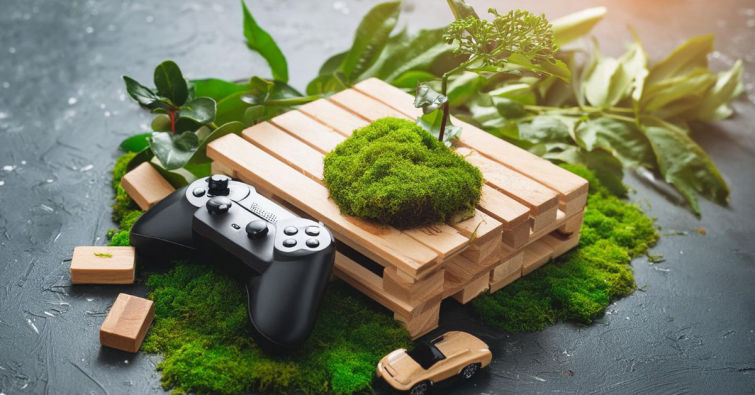
We specialize in sustainable game development, ensuring your game thrives through long-term design and maintainable systems. Our scalable gameplay solutions adapt to evolving player needs, reducing costs and maximizing engagement.
I used to chase trends—until I realized most games burn out fast. Now, I build for longevity. Sustainable game development isn’t just ethical; it’s smarter. Players stay, costs drop, and the planet thanks you.
Rushing a game feels great—until you’re drowning in patches. Long-term game design saves sanity, and your reputation. Trust me, I learned the hard way.
Our first game collapsed under its own weight. Then we embraced maintainable game systems. Now? Updates take hours, not months. Best decision ever.
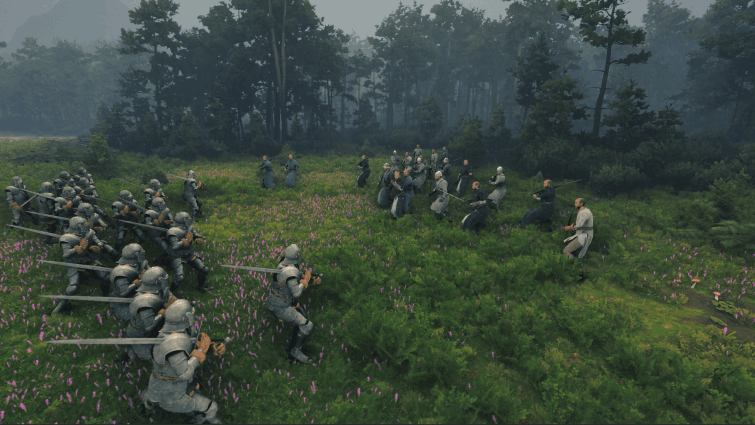
Players quit when games stagnate. Scalable gameplay lets you grow without starting from scratch. It’s not just growth—it’s survival.
1
Lower Long-Term Costs
Sustainable game development means fewer patches, less debt, and more savings. Invest once, benefit forever.
2
Adaptable Frameworks
Our maintainable game systems let you update content without rewriting the core—so your game evolves effortlessly.
3
Engagement That Lasts
Scalable gameplay keeps players hooked. Expand levels, add stories, or introduce mechanics—without losing performance.
4
Eco-Friendly Impact
Efficient code = less energy. We reduce your game’s carbon footprint while boosting its lifespan.
5
Local & Global Appeal
Games built for BR’s audience, but designed for the world. Cultural relevance meets universal fun.
At GreenPlay Studios, we believe games should do more than entertain—they should endure. Founded in the heart of Brazil, we’re a team of developers, designers, and dreamers united by a single vision: to redefine what it means to create games in a world that demands both innovation and responsibility. Sustainable game development isn’t just a tagline for us; it’s the foundation of everything we build. We don’t chase fleeting trends or disposable experiences. Instead, we craft games that grow with their players, adapt to new challenges, and stand the test of time—both technically and creatively.
Our approach is rooted in long-term game design, which means we think beyond the launch date. Every line of code, every mechanic, and every asset is designed to be reusable, adaptable, and efficient. This isn’t just about reducing costs or simplifying updates—though those are undeniable benefits. It’s about creating games that feel alive, that evolve with their communities, and that remain relevant years after release. Whether it’s an indie passion project or a large-scale educational tool, we ensure that maintainable game systems are at the core, so your game doesn’t just survive—it thrives.
What sets us apart is our commitment to scalable gameplay. We understand that a game’s success isn’t measured by its first-week sales, but by its ability to engage players over months, years, and even decades. That’s why we build flexible frameworks that allow for seamless expansions, updates, and community-driven content. Our games aren’t static; they’re dynamic ecosystems that grow alongside their audiences. At GreenPlay Studios, we’re not just making games—we’re building the future of gaming, one sustainable project at a time.
We prioritize long-term game design, ensuring your game remains relevant and functional for years. No short-term fixes—just smart, scalable architecture.
Our maintainable game systems reduce waste—both in code and resources—so your game runs smoothly without constant overhauls.
Scalable gameplay isn’t just a buzzword here. We design games that grow with your audience, adding features without breaking what works.
You’re part of the process. We share insights, challenges, and victories—because the best games are built on trust.
Based in BR, we understand local trends and global standards, giving your game a competitive edge.
GreenPlay Studios began as a simple idea: What if games could be built to last? I founded the studio after years of working in an industry that prioritized speed over substance, where games were often abandoned as soon as the next big thing came along. I was tired of seeing incredible worlds and stories fade into obscurity simply because they weren’t designed with the future in mind. That’s when I decided to focus on sustainable game development, not just as a niche approach, but as the cornerstone of a new way to create games. Our journey started small, with a handful of like-minded developers who shared the belief that games could—and should—be built to endure.
Our first project, "EcoCraft," was a test of our commitment to long-term game design. We built it with modularity at its core, ensuring that every element could be updated, expanded, or repurposed without requiring a complete overhaul. The game wasn’t just a success in terms of player engagement; it became a proof of concept for what we could achieve with maintainable game systems. Players loved that the game evolved with them, and we loved that we could keep improving it without starting from scratch. This project set the tone for everything that followed, reinforcing our belief that sustainability isn’t a limitation—it’s a creative opportunity.
As we grew, so did our ambition. We began taking on more complex projects, from educational games for schools to large-scale simulations for corporate training. Each time, our focus on scalable gameplay allowed us to push the boundaries of what was possible, creating experiences that could adapt to the needs of diverse audiences. Today, GreenPlay Studios is more than just a game development company—it’s a testament to what happens when you dare to build for the future. Our story is still being written, but one thing is certain: We’re here to stay, and so are the games we create.
At GreenPlay Studios, we specialize in creating games that are as sustainable as they are captivating. Our work revolves around sustainable game development, a philosophy that guides every decision we make, from the initial concept to the final release—and beyond. We don’t just build games; we build ecosystems that are designed to thrive over time. This means focusing on long-term game design, where every mechanic, every storyline, and every line of code is crafted with the future in mind. Whether we’re working on a mobile game, an educational tool, or a large-scale simulation, our goal is to create experiences that remain engaging, relevant, and functional for years.
A core part of what we do is implementing maintainable game systems. This approach allows us to create games that are easy to update, expand, and adapt without requiring massive overhauls or costly redevelopments. By building games with modularity and efficiency at their core, we ensure that our clients can continue to grow their projects long after the initial launch. This not only saves time and resources but also allows for a deeper connection with players, who can enjoy a game that evolves alongside them. Our scalable gameplay frameworks are designed to accommodate everything from minor tweaks to major expansions, making it possible to keep the experience fresh and exciting without compromising stability.
Beyond development, we’re also deeply committed to sharing our knowledge and advocating for sustainable practices within the industry. We offer consulting services to help other studios transition to sustainable game development, and we regularly host workshops and create open-source tools to make these practices more accessible. Our mission is to prove that games can be both innovative and responsible, and we’re dedicated to leading by example. At GreenPlay Studios, we’re not just making games for today—we’re shaping the future of gaming, one sustainable project at a time.
We focus on long-term game design—modular code, reusable assets, and energy-efficient systems. Less waste, more play.
Our scalable gameplay uses plug-and-play mechanics. Add content without rewriting the core.
Nope. Maintainable game systems mean easy updates—your game stays current with minimal effort.
No! While we’re based in BR, our sustainable methods work worldwide.
A 2019 educational game we built is still used daily in schools—thanks to sustainable development.